Raw Feeding for Dogs: What It Is, How It Works, and Who It's For
Raw feeding has grown rapidly in popularity, but it's also surrounded by confusion, strong opinions, and misinformation. This comprehensive guide explains what raw feeding actually involves, why some owners choose it, and how to approach it sensibly.
Introduction
Raw feeding has grown rapidly in popularity over the past decade, but it's also surrounded by confusion, strong opinions, and misinformation. This article explains what raw feeding actually involves, why some owners choose it, and how to approach it sensibly for your dog's wellbeing.
What Is Raw Feeding?
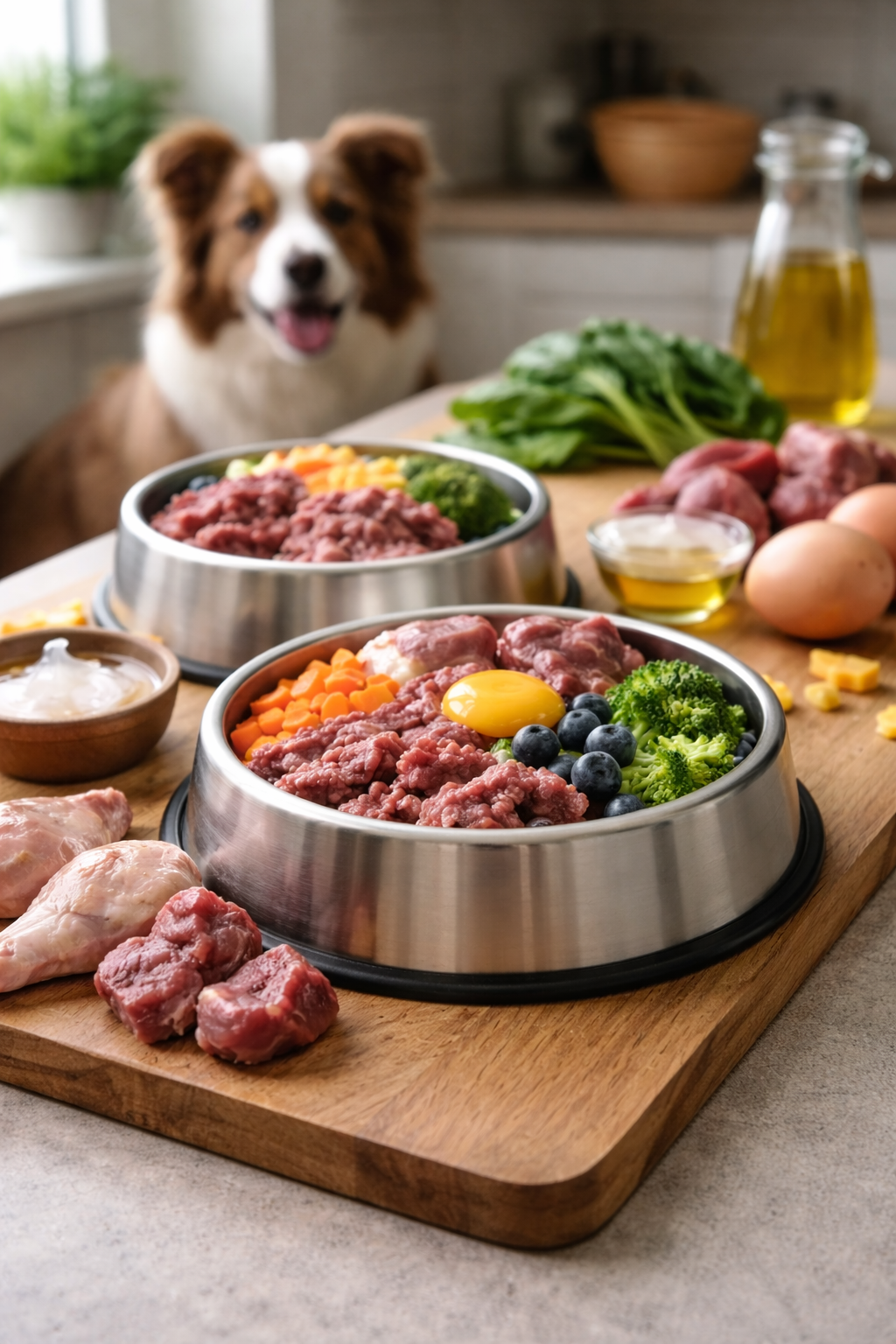
At its core, raw feeding focuses on providing dogs with minimally processed, biologically appropriate food. This typically includes raw meat, bone content, natural fats, organ meats, and limited or no artificial additives.
The goal is to feed in a way that aligns more closely with canine digestion. Proponents argue that dogs' digestive systems evolved to process raw, whole foods rather than highly processed kibbles. This doesn't mean dogs haven't adapted to modern commercial foods—they clearly have—but rather that some dogs may thrive better on less processed diets.
Why Some Owners Choose Raw
Many owners report improvements in coat shine and skin health, digestion and stool consistency, dental hygiene, and energy levels when switching to raw diets.
The reported benefits often stem from several factors: higher moisture content improves hydration, whole food sources may provide better nutrient bioavailability, natural enzymes in raw foods may support digestion, and chewing raw bones can help maintain dental health.
While results vary—some dogs show dramatic improvements while others show minimal changes—these reported benefits have driven many owners to explore raw feeding as a long-term option.
The Science Behind Raw Feeding
Research on raw feeding is still developing, but some areas show promise. Studies suggest that certain dogs may digest raw meat proteins more efficiently than cooked proteins. The dental benefits of chewing raw bones are well-documented—chewing action helps scrape plaque and strengthen jaw muscles.
However, it's important to note that not all research supports raw feeding unequivocally. Some studies show no significant nutritional differences between well-formulated commercial diets and raw diets. The key seems to be balance and quality rather than simply whether food is raw or cooked.
Addressing Common Concerns
Raw feeding is often criticised due to safety concerns, nutritional balance fears, and handling worries. Critics point to potential bacterial contamination, the risk of nutritional imbalances in homemade raw diets, and the handling requirements for raw meat.
When sourced responsibly and handled properly, many of these risks can be managed. Education and quality sourcing matter more than ideology. Here's how to address common concerns:
Bacterial Safety
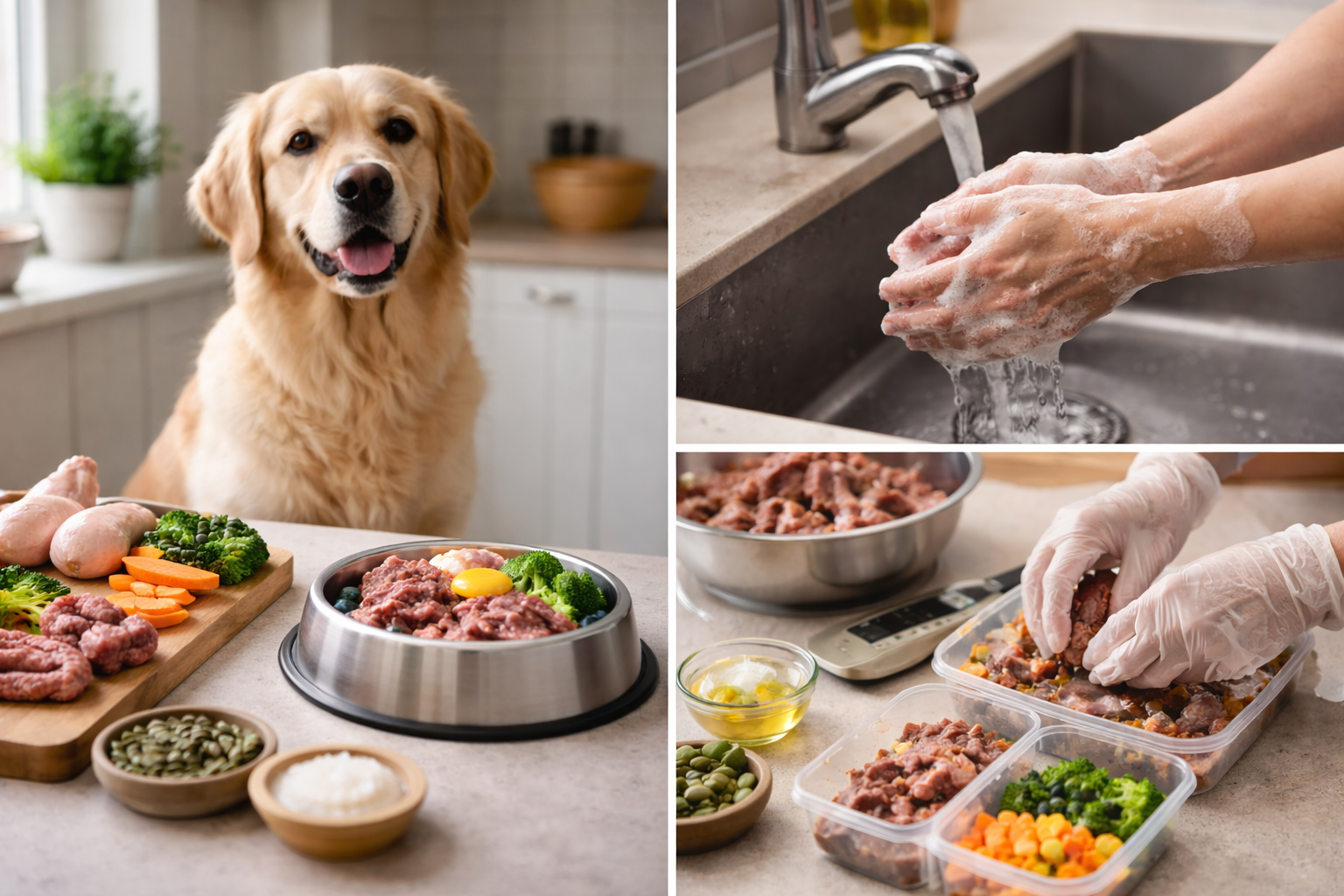
Raw meat can contain bacteria like salmonella and E. coli. However, dogs' digestive systems are generally more resistant to these bacteria than humans'. Their shorter digestive tracts and highly acidic stomachs provide natural protection. Nevertheless, proper handling—washing hands, cleaning surfaces, storing meat safely—is essential to protect human family members.
Nutritional Balance
This is perhaps the biggest concern with raw feeding. A balanced raw diet requires knowledge of canine nutritional needs, proper ratios of muscle meat, organ meat, and bone, and appropriate supplementation. Many owners work with veterinary nutritionists or use commercially prepared raw diets to ensure balance.
Handling Requirements
Raw feeding does require more careful food handling than kibble feeding. This includes proper storage, careful preparation, and thorough cleaning. For busy households, this might not be practical. Commercially prepared raw diets that are properly handled can reduce some of these concerns.
Is Raw Feeding Right for Every Dog?
Not necessarily. Puppies, seniors, working dogs, and dogs with medical conditions all have different needs. Raw feeding should always consider age, activity level, health status, and individual tolerance.
There is no one-size-fits-all approach. Some dogs thrive on raw diets, while others do better on high-quality commercial foods. Some owners successfully combine approaches—feeding raw for some meals and commercial food for others.
Types of Raw Feeding Approaches
Several approaches exist within raw feeding:
BARF (Biologically Appropriate Raw Food)
This approach typically includes 70% muscle meat, 10% raw bone, 5% liver, 5% other organ meats, 7% vegetables, 2% seeds or nuts, and 1% fruit. Proponents believe this mimics what dogs would eat in the wild.
Prey Model
This approach focuses on whole prey items or combinations that mimic whole prey—muscle meat, organs, and bone in proportions similar to a complete animal. Less emphasis on fruits and vegetables.
Commercial Raw
Commercially prepared raw diets take the guesswork out of formulation. They're nutritionally balanced and convenient, though more expensive than homemade raw diets. Many companies offer various formats—frozen patties, freeze-dried options, and raw-coated kibbles.
Transitioning to Raw Safely
If switching diets, gradual change is key. Sudden changes can upset digestion. Most dogs benefit from slow introduction, monitoring stools and behaviour, and adjusting portions over time.
Start with a small amount—perhaps 10-20% of one meal—and gradually increase over 7-14 days. Watch for any digestive upset. Some dogs transition easily, while others need more time. Dogs with sensitive stomachs may need even slower transitions.
Listening to the dog's response matters more than rigid rules. Some dogs show immediate enthusiasm for raw food, while others need time to adjust to the texture and temperature.
Common Mistakes in Raw Feeding
Several common mistakes can undermine the benefits of raw feeding:
- Inadequate bone content—dogs need appropriate amounts of raw bone for calcium and phosphorus
- Missing organ meats—these provide essential vitamins and nutrients not found in muscle meat alone
- Lack of variety—rotating protein sources helps prevent nutritional gaps and potential sensitivities
- Inadequate knowledge—feeding an unbalanced diet can cause nutritional deficiencies or excesses
- Ignoring signs of problems—not all dogs tolerate raw food equally well
Final Thoughts
Raw feeding isn't a trend — it's a feeding philosophy. For some dogs it can be transformative, for others it may not be suitable. What matters is informed decision-making, quality sourcing, and respecting individual needs.
The best approach is one that considers your dog's individual requirements, your ability to provide balanced nutrition safely, and your lifestyle constraints. Whether you choose raw, commercial, or a combination, the goal remains the same: supporting your dog's health and wellbeing through appropriate nutrition.